-
A Series, a Pair or a Single Piece: How Objects Come Together in a Collection
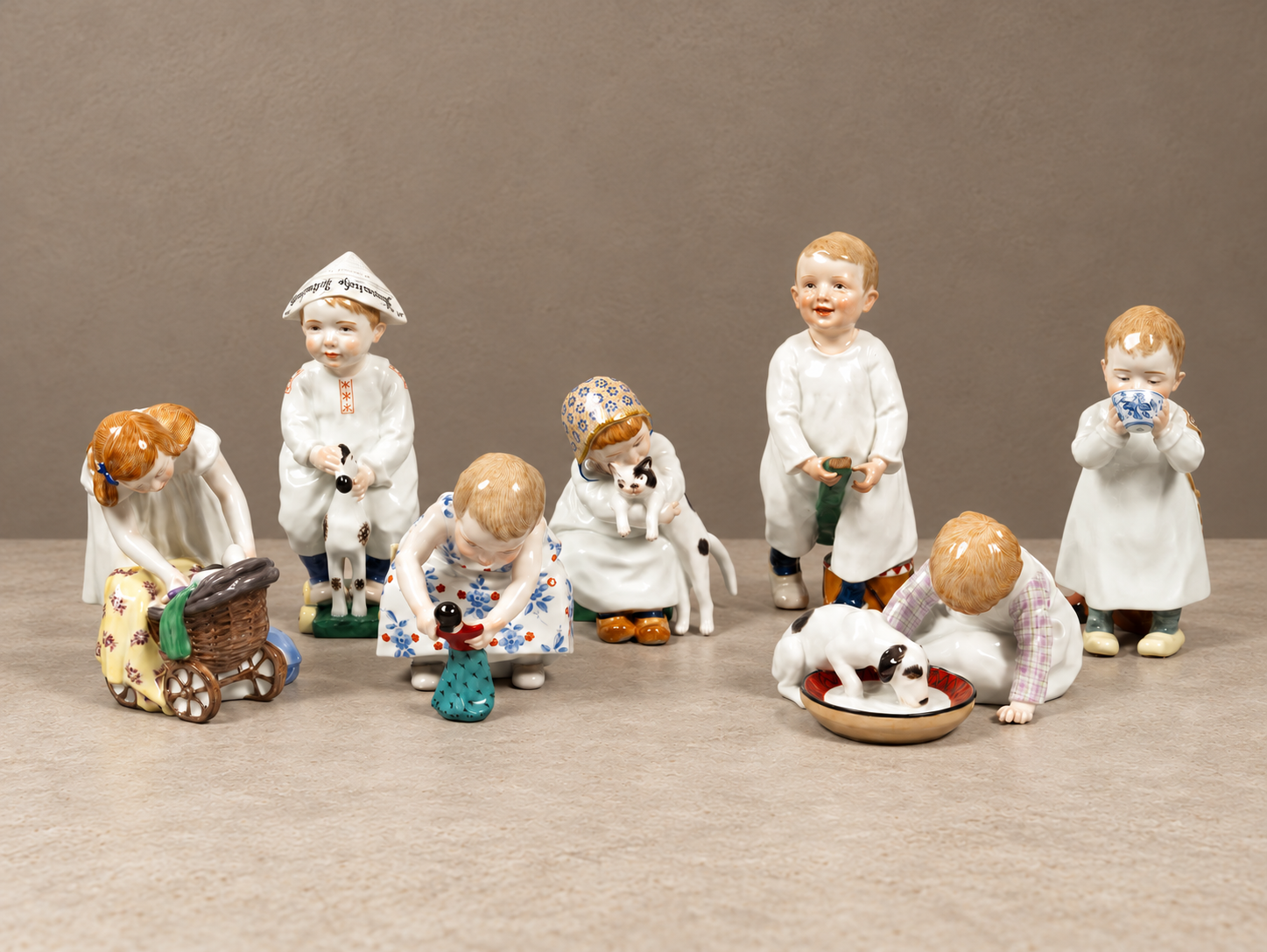
Collectors often have to decide whether to seek a companion for a single object, look for other works in the same series, or leave it on its own. Some pieces were conceived as parts of an ensemble; others are brought together by the collector. Understanding the difference helps guide a collection.
-
Bjørn Wiinblad: Between Theatre and Porcelain
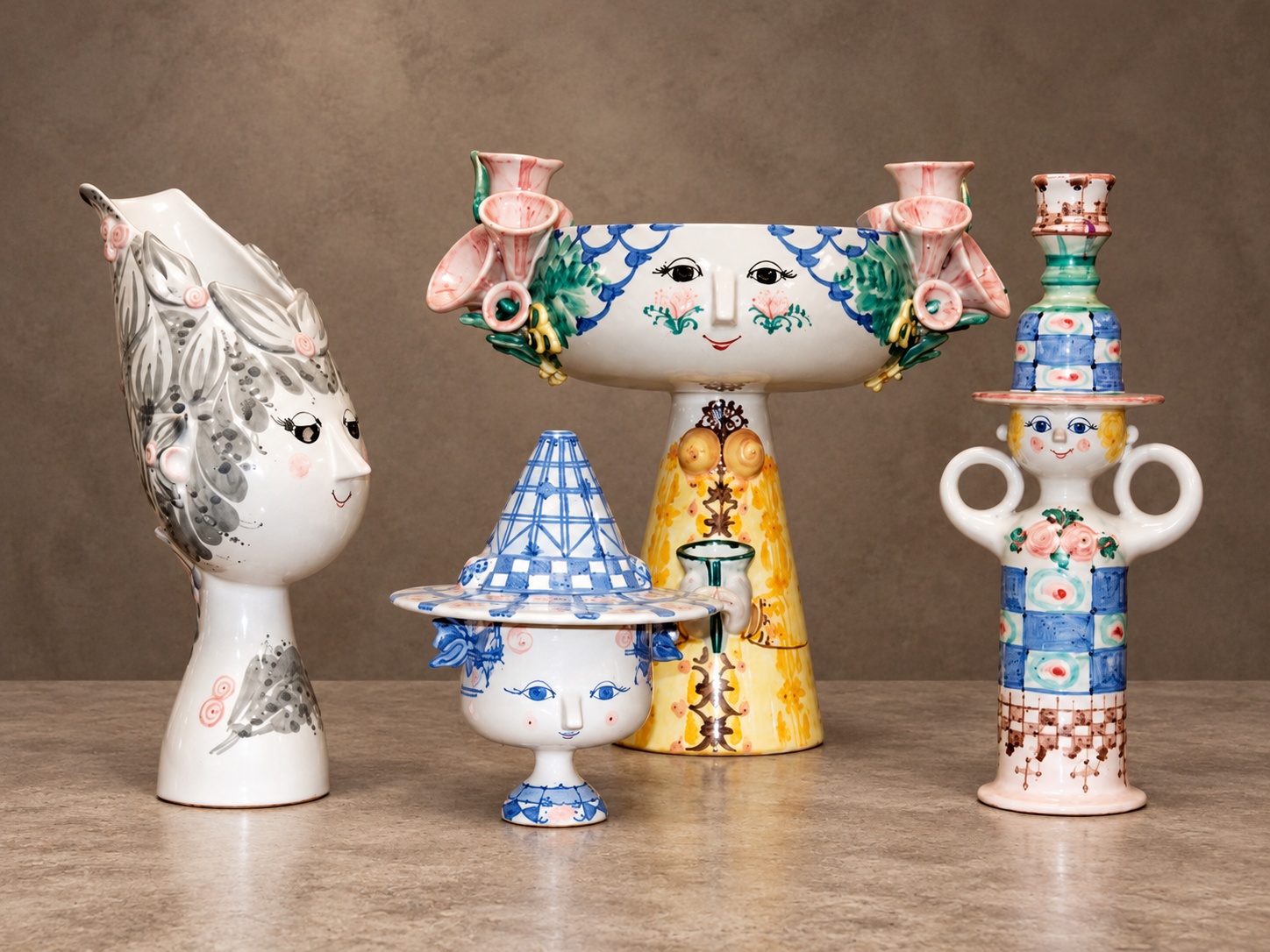
In Bjørn Wiinblad’s works, faces are surrounded by flowers, costumes blossom with ornament, and a small scene on a plate recalls a book illustration. The Danish artist worked across ceramics, porcelain, graphic art, textiles and stage design, bringing a distinctive sense of narrative to each.
-
Herend Porcelain: History, Craftsmanship and a Distinctive Style
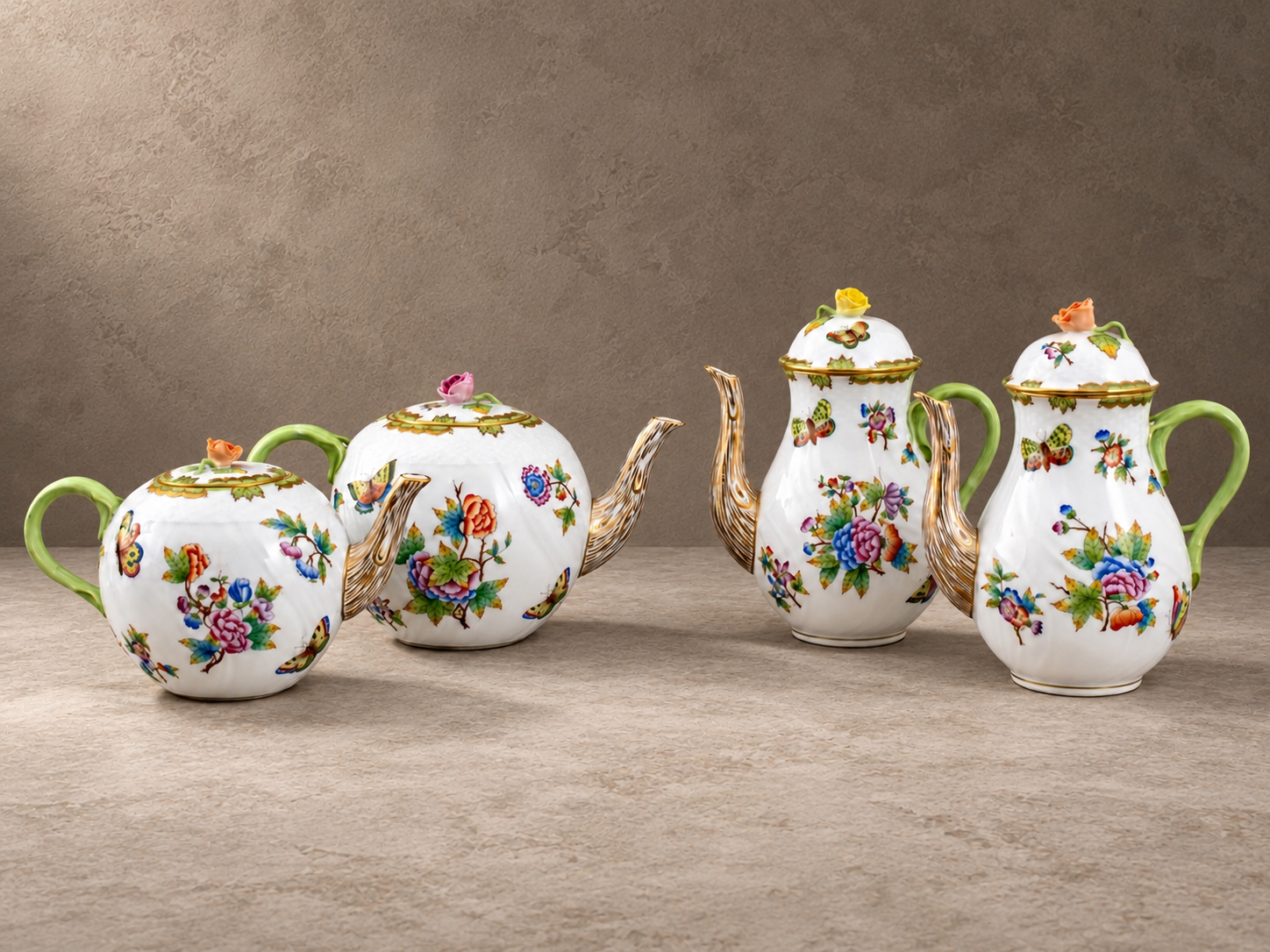
A rose opening on a porcelain lid, a fine gold line along the rim, a butterfly resting among flowers. Herend porcelain invites a closer look at detail. Its history brings together European dining culture, an interest in Eastern art and skills passed down through generations.
-
The Journey of an Object: What Its Provenance Tells a Collector
A maker’s mark on an old vase, a former owner’s label on its box or a family photograph can reveal different chapters in an object’s life. Those traces help us understand where it was made and the journey it took afterwards.
-
Art Deco Sculpture: Movement, Form and the Aesthetic of a New Age
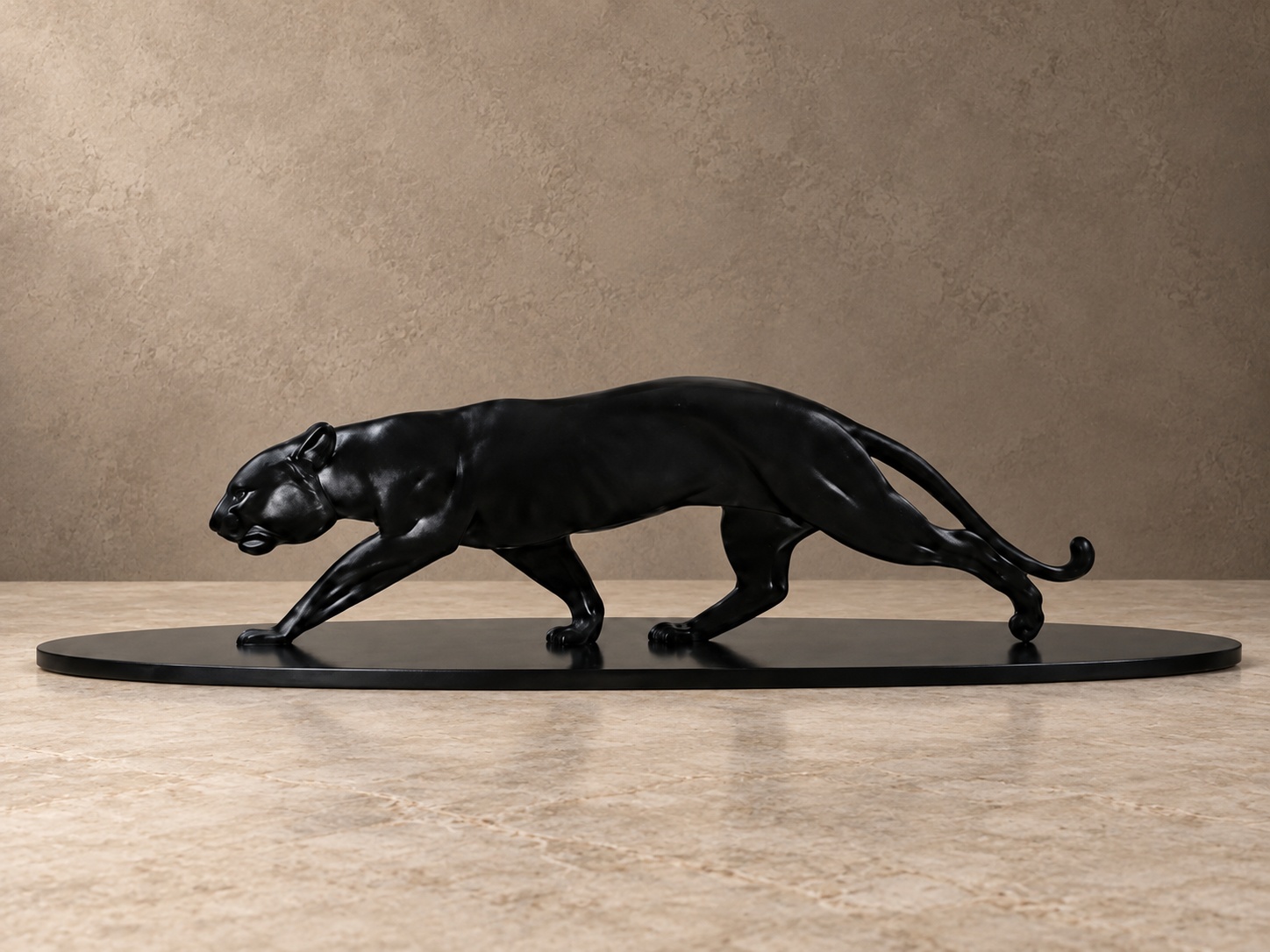
The 1925 Paris exhibition became a landmark for what we now call Art Deco. Sculpture appeared alongside furniture, glass, ceramics and metalwork, often conceived as part of a complete interior. The style took many sculptural forms.
-
Hungarian Porcelain: Tradition, Craftsmanship and Innovation
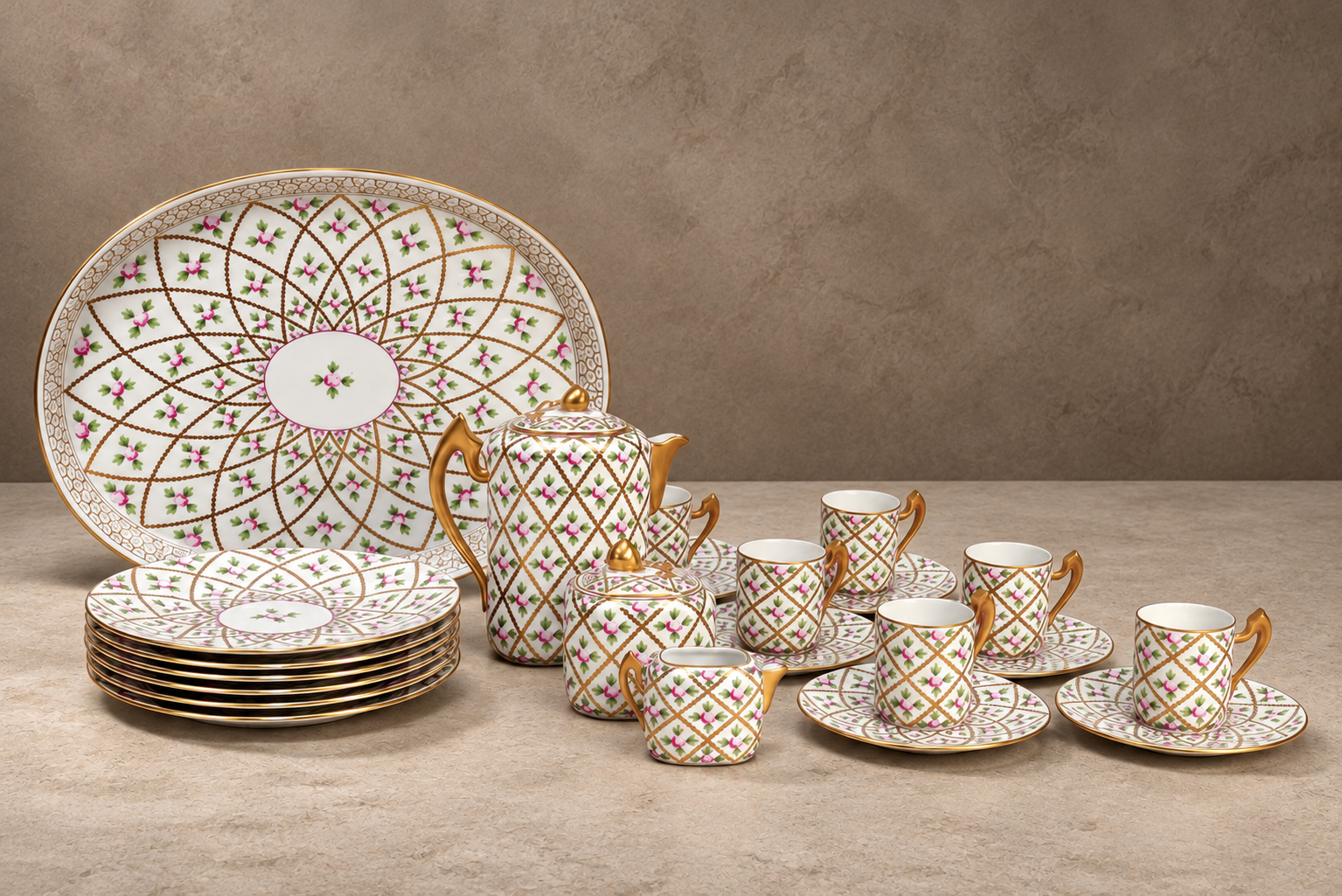
European porcelain often brings Meissen, Sèvres or Vienna to mind first. The histories of Hollóháza, Herend and Zsolnay reveal another world: Hungarian craftsmanship, vivid decoration, technical experimentation and ceramics that shaped architecture as well as the table.
-
Art at Home: How Collecting Shaped European Interiors
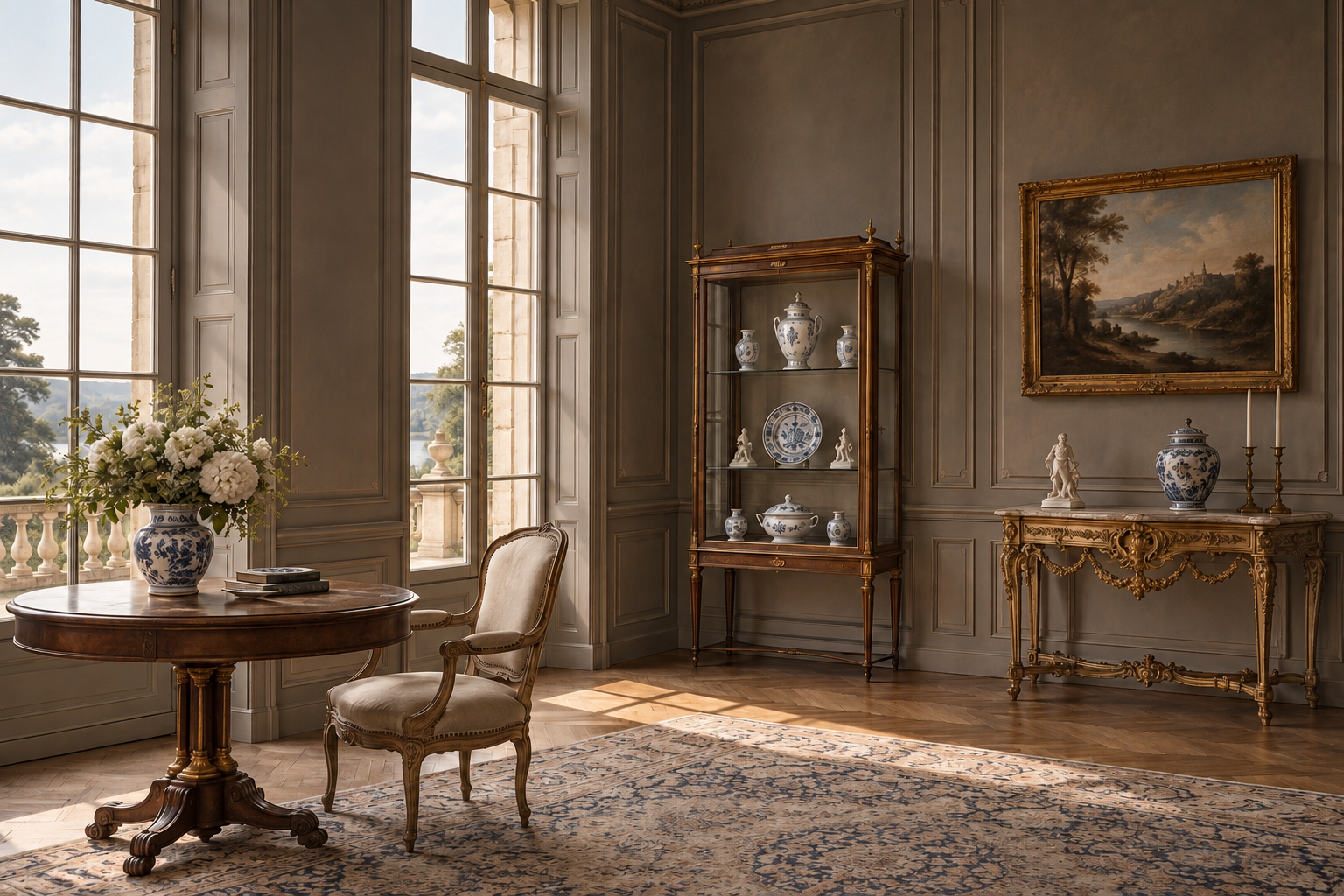
How collecting transformed European homes—from Renaissance cabinets of curiosities to nineteenth-century salons and modern interiors.
-
Faces of German Porcelain: Six Manufactories That Shaped European Taste
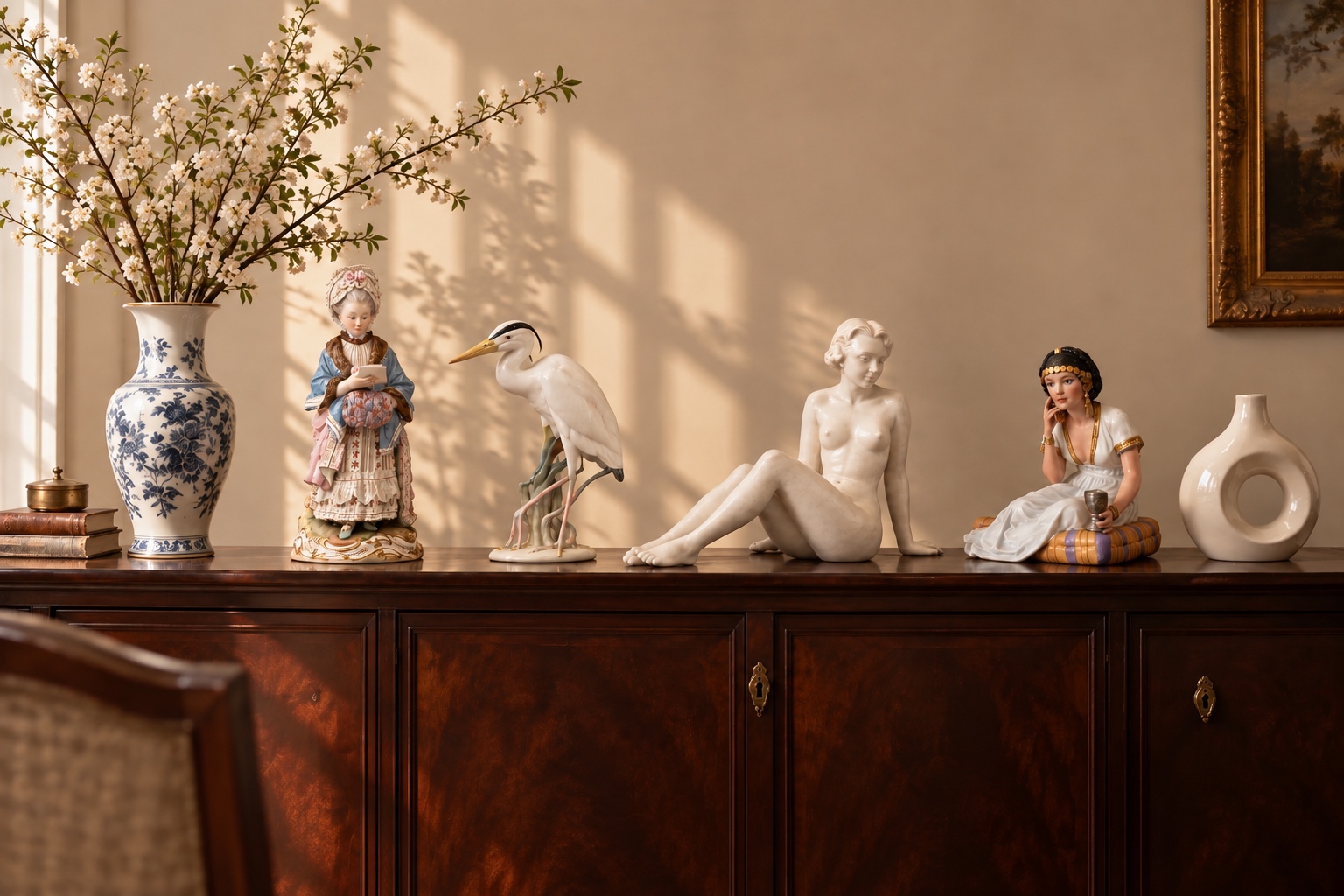
From Meissen and Nymphenburg to Rosenthal: six German manufactories that shaped Europe’s understanding of porcelain.
-
Animals in European Art: From Symbols of Power to Porcelain Sculpture
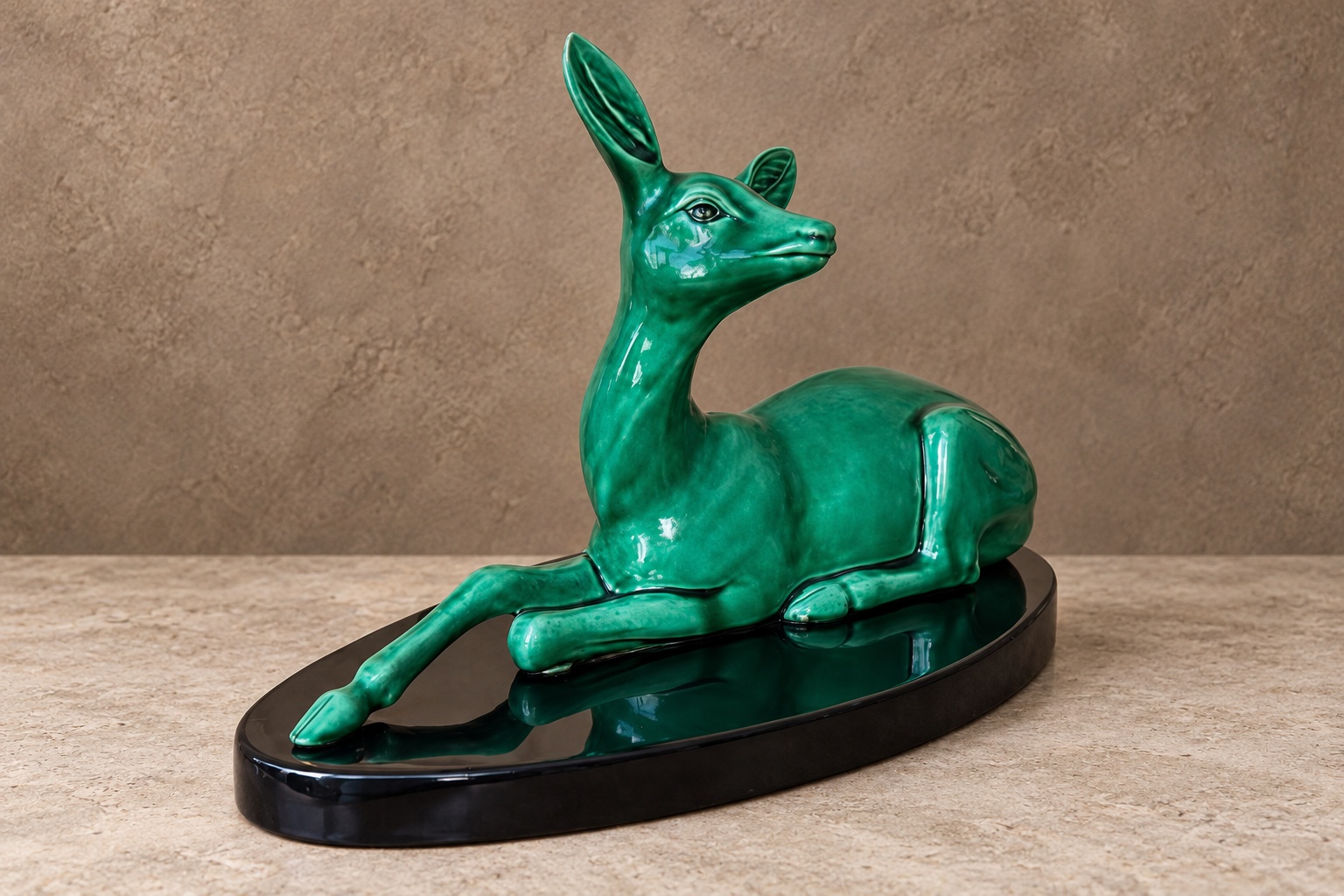
From symbols of power to independent portraits, animals have held a distinctive place in European art.
-
The Art of Collecting: 10 Principles for a Meaningful Collection
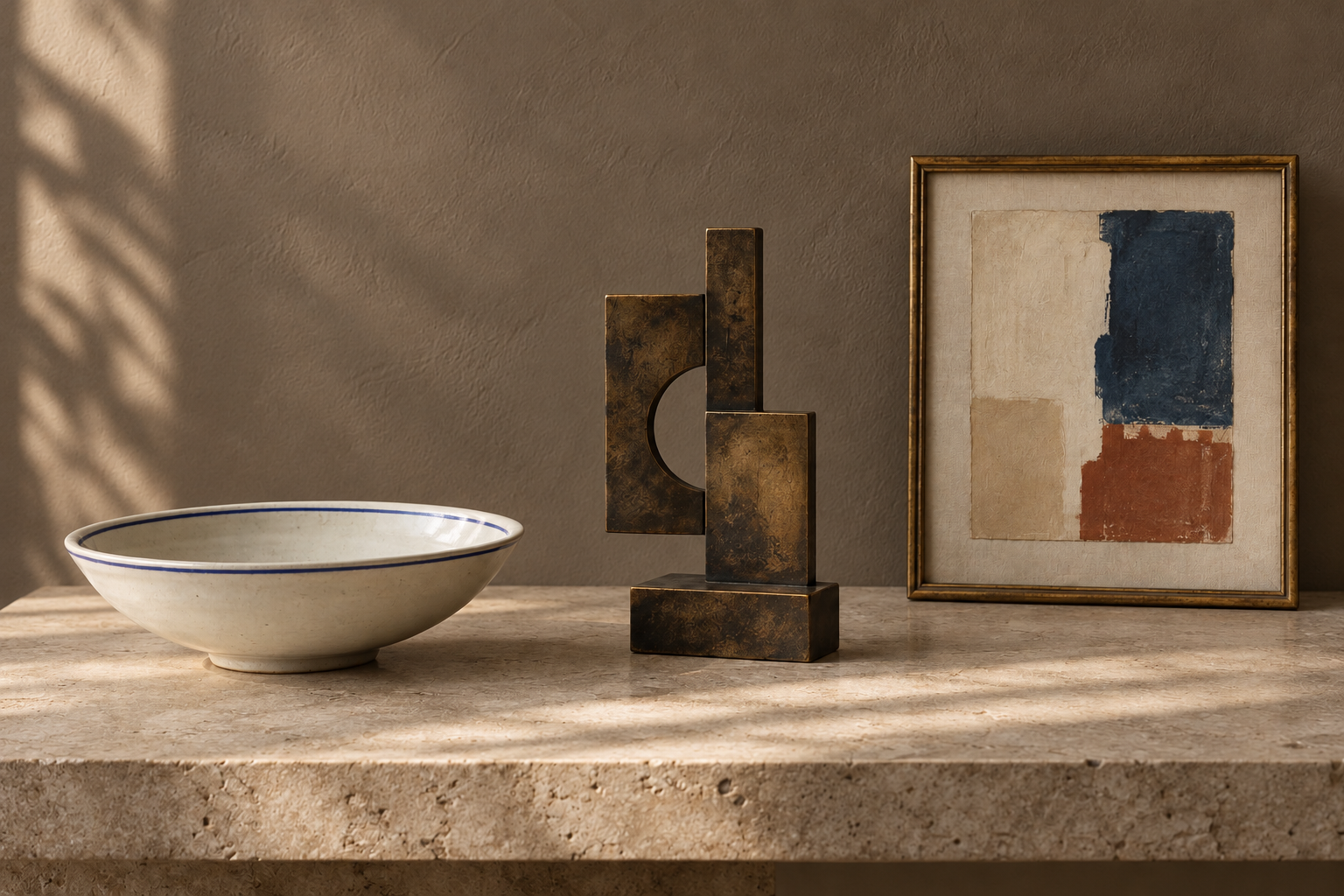
Collecting is not simply the accumulation of objects. Ten principles for building a meaningful personal collection.
-
German Porcelain: From the Courts of Meissen to Modern Design
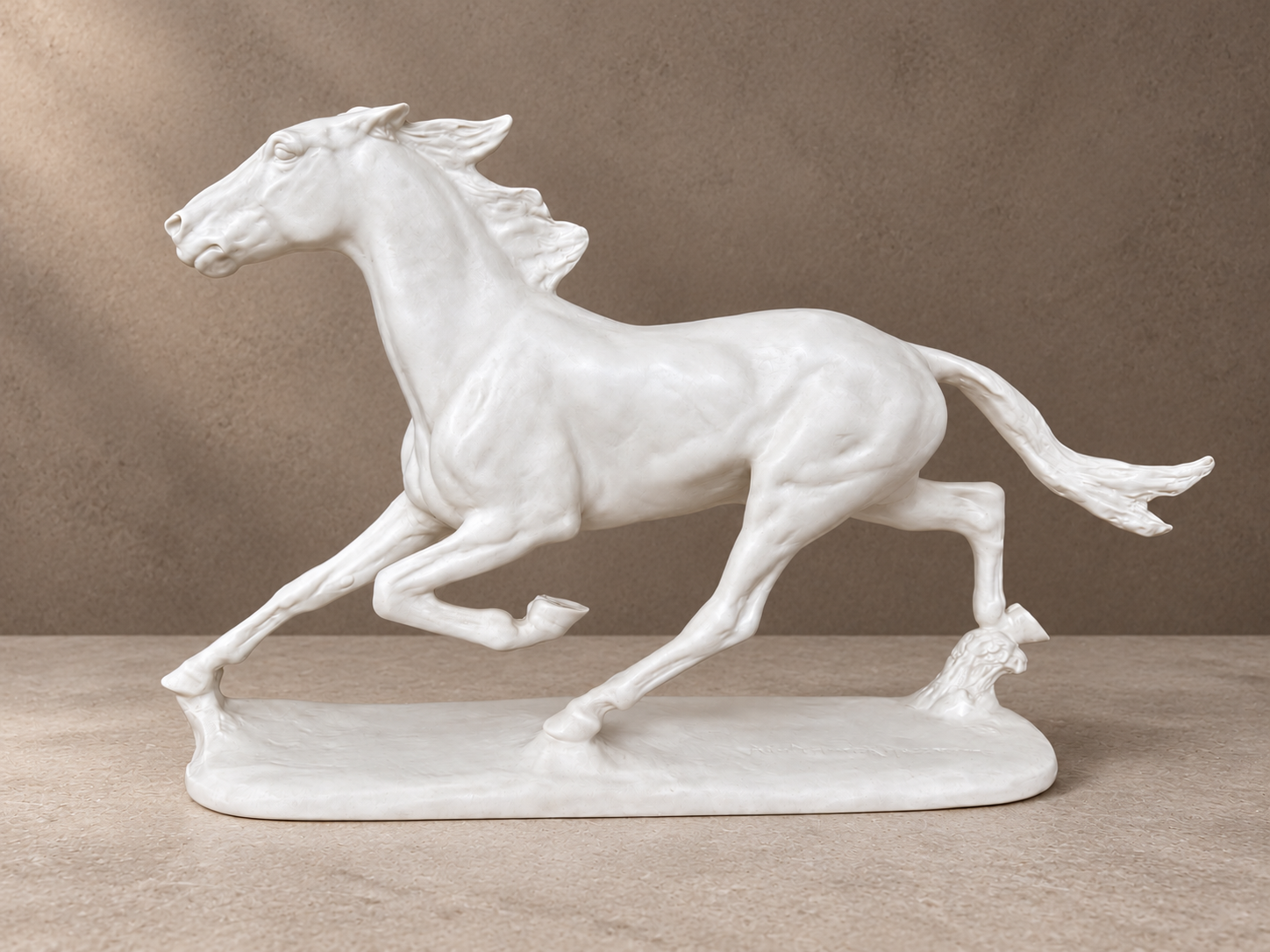
From Meissen’s royal beginnings to Nymphenburg’s sculptural refinement and the modern design of Rosenthal: a journey through three centuries of German porcelain, craftsmanship, and collecting.
-
The History of Porcelain: From the Imperial Courts of China to European Manufactories
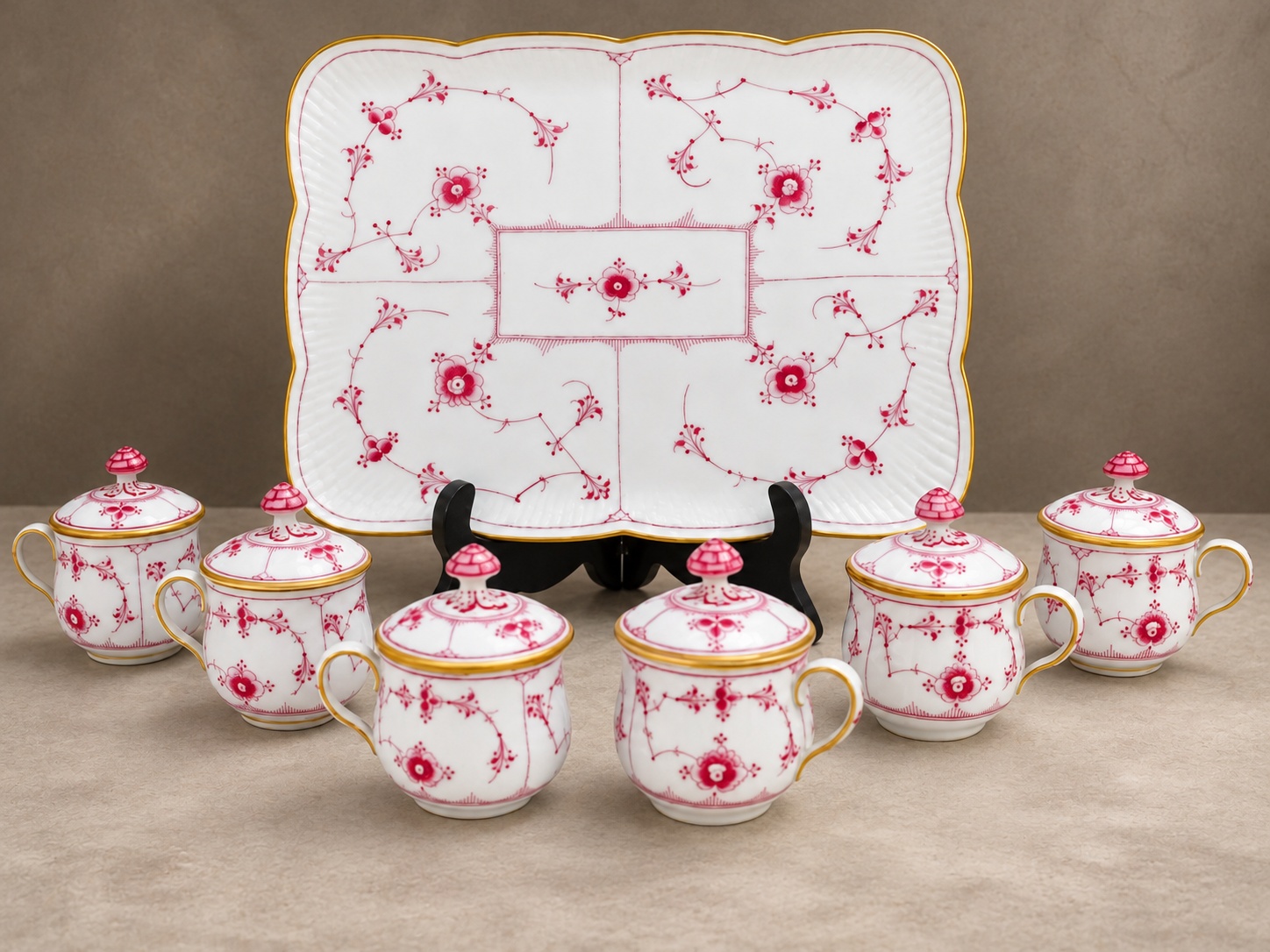
The journey of porcelain from China’s imperial kilns to Meissen and other European manufactories—a story of a material long known as white gold.
